

When it comes to treating skin blemishes and achieving a smoother, clearer complexion, two popular options often come to mind: microneedle spot patches and chemical peels. As a supplier of high - quality microneedle spot patches, I'm well - versed in the benefits and drawbacks of both methods, and I'm excited to share my insights with you.
How Microneedle Spot Patches Work
Microneedle spot patches are a revolutionary solution for targeted skin treatment. These patches are embedded with tiny, dissolvable microneedles that are designed to penetrate the outermost layer of the skin, delivering active ingredients directly to the affected area. The microneedles are typically made from biocompatible materials such as hyaluronic acid or other polymers, which means they are safe for use on the skin and gradually dissolve over time.
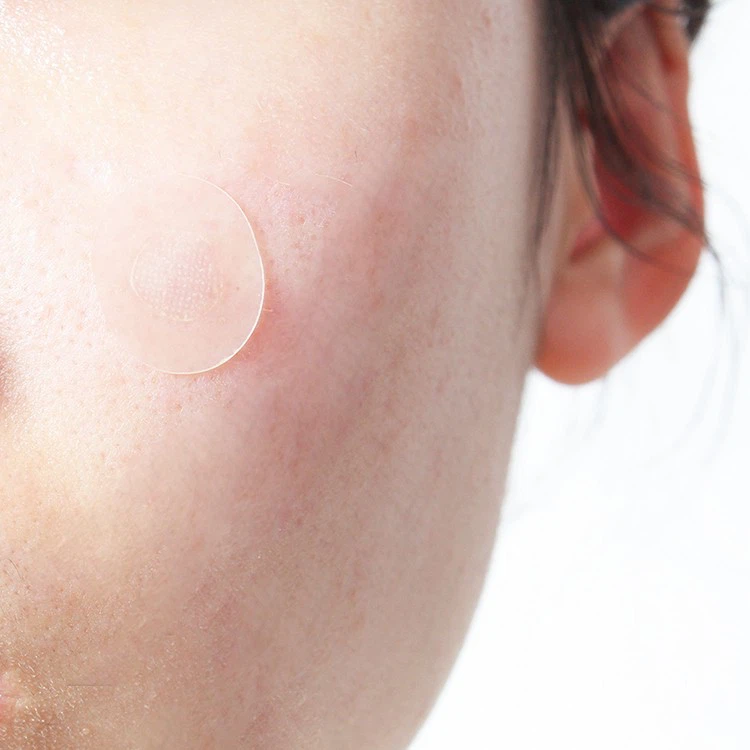

One of the key advantages of microneedle spot patches is their precision. Unlike some other treatments that may affect a large area of the skin, microneedle patches can be placed exactly where they are needed, such as on individual pimples or dark spots. This targeted approach allows for more effective treatment with fewer side effects.
For example, our Microneedle Acne Patch is specifically formulated to target acne - prone skin. The active ingredients in the patch, such as salicylic acid and tea tree oil, are delivered directly to the pore, helping to reduce inflammation, unclog pores, and prevent future breakouts.
How Chemical Peels Work
Chemical peels, on the other hand, involve applying a chemical solution to the skin to remove the outer layers of damaged or dead skin cells. The strength of the chemical peel can vary, from mild peels that only affect the superficial layers of the skin to deep peels that penetrate more deeply.
Mild chemical peels are often used for general skin rejuvenation, such as improving skin texture, reducing the appearance of fine lines, and evening out skin tone. They typically contain ingredients like alpha - hydroxy acids (AHAs) or beta - hydroxy acids (BHAs). Deeper peels, which may use trichloroacetic acid (TCA) or phenol, are more powerful and are usually reserved for more severe skin problems, such as deep wrinkles or significant sun damage.
Efficacy Comparison
In terms of efficacy, both microneedle spot patches and chemical peels have their own strengths.
Microneedle spot patches are highly effective for treating specific skin issues. For instance, if you have a single large pimple that you want to get rid of quickly, a Efficient Pimple Patches Microneedle can be very effective. The microneedles deliver the active ingredients directly to the site of the pimple, reducing redness and swelling within a short period. They are also great for treating small dark spots, as they can gradually fade the pigmentation over time.
Chemical peels, however, are better suited for overall skin improvement. A series of mild chemical peels can lead to a significant improvement in skin texture, making it smoother and more radiant. Deep peels can have a more dramatic effect on the appearance of wrinkles and sun damage. But it's important to note that chemical peels treat a larger area of the skin, and the results are more general rather than targeted at specific spots.
Safety and Side Effects
Safety is a crucial factor when choosing a skin treatment. Microneedle spot patches are generally considered very safe. Since the microneedles are so small, they cause minimal discomfort and have a low risk of side effects. Some people may experience mild redness or irritation at the application site, but this usually subsides within a few hours.
Chemical peels, especially deeper ones, come with a higher risk of side effects. Mild peels may cause temporary redness, peeling, and sensitivity, which typically resolve within a few days. However, deep peels can lead to more serious complications, such as scarring, infection, and changes in skin pigmentation. These peels often require a longer recovery time and need to be performed by a trained professional.
Convenience
Convenience is another aspect where microneedle spot patches have an edge. You can use microneedle spot patches at home, at your own convenience. Simply clean the affected area, apply the patch, and leave it on for the recommended time. There's no need to make an appointment with a dermatologist or spend time in a clinic.
Chemical peels, especially deeper ones, usually need to be performed in a professional setting. This means you'll have to schedule an appointment, travel to the clinic, and may need to take time off work or other activities for recovery. Even mild peels may require some preparation and after - care, which can be inconvenient for some people.
Cost
Cost is also an important consideration. Microneedle spot patches are generally more affordable, especially if you're only treating a few spots. You can purchase a pack of our Micro Point Pimple Patch at a reasonable price and use them as needed.
Chemical peels can be quite expensive, especially deep peels. In addition to the cost of the treatment itself, you may also need to pay for pre - treatment consultations, post - treatment care products, and any follow - up appointments.
Conclusion
In conclusion, both microneedle spot patches and chemical peels have their own advantages and disadvantages. Microneedle spot patches are a great option for targeted treatment, are safe, convenient, and cost - effective. They are ideal for people who want to treat specific skin problems at home. Chemical peels, on the other hand, are better for overall skin rejuvenation but come with a higher risk, require professional application, and are more expensive.
If you're interested in trying our high - quality microneedle spot patches for yourself, we'd love to hear from you. Whether you're a retailer looking to stock our products or an individual interested in purchasing in bulk, we are open to business discussions. Reach out to us to start a procurement conversation and discover how our microneedle spot patches can benefit your skin or your business.
References
- Alster, T. S., & West, T. B. (1996). Complications of chemical peels: Prevention and management. Dermatologic clinics, 14(3), 483 - 496.
- Lee, C. H., & Choi, H. G. (2019). Microneedle technology for drug delivery and cosmetics. Journal of Industrial and Engineering Chemistry, 76, 1 - 8.