

Are Bio Collagen Face Masks Eco - friendly?
In recent years, the beauty industry has witnessed a surge in the popularity of bio collagen face masks. As a supplier of bio collagen face masks, I am often asked about the environmental friendliness of these products. This blog post aims to explore the various aspects of bio collagen face masks and their impact on the environment.
What are Bio Collagen Face Masks?
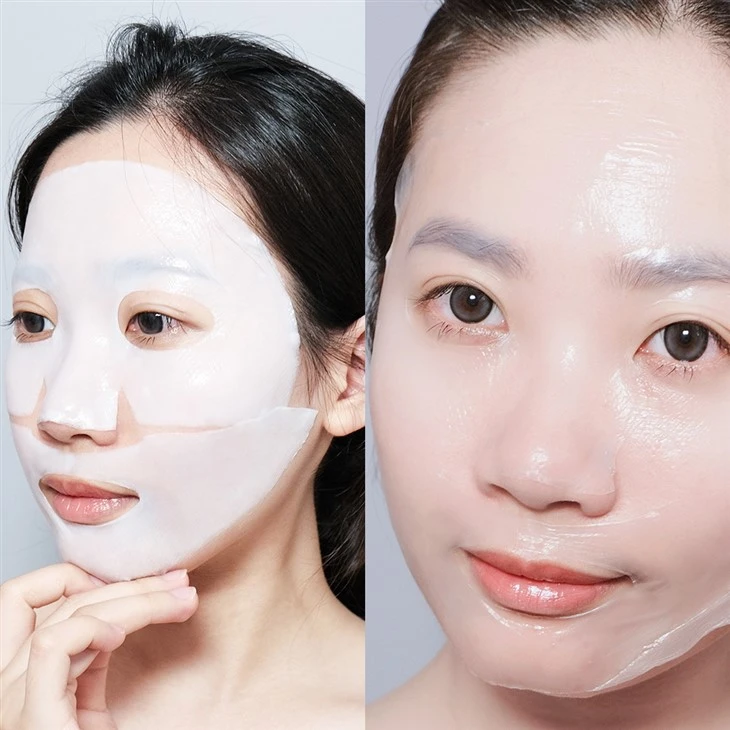
Bio collagen face masks are skincare products that contain collagen, a protein that is naturally found in the human body. Collagen is responsible for maintaining the elasticity and firmness of the skin. As we age, the production of collagen in our body decreases, leading to the appearance of wrinkles and fine lines. Bio collagen face masks are designed to replenish the collagen in the skin, thereby reducing the signs of aging and improving the overall texture of the skin.
There are different types of bio collagen face masks available in the market, such as Overnight Masks, Bio Collagen Mask Korean, and Collagen Moisten Sleeping Mask. These masks come in various forms, including sheet masks, gel masks, and cream masks.
The Ingredients and Their Environmental Impact
The main ingredient in bio collagen face masks is collagen, which can be sourced from various animal and plant sources. Animal - derived collagen is commonly obtained from cows, pigs, or fish. The sourcing of animal - derived collagen can have environmental implications. For example, large - scale livestock farming for collagen extraction contributes to deforestation, water pollution, and greenhouse gas emissions. However, if the animals are raised in a sustainable and ethical manner, the environmental impact can be minimized.
On the other hand, plant - derived collagen is a more eco - friendly alternative. It can be extracted from plants such as soybeans, wheat, and algae. Plant - based collagen production generally requires less land, water, and energy compared to animal - based collagen production. Moreover, it does not contribute to the same level of environmental degradation associated with livestock farming.
In addition to collagen, bio collagen face masks also contain other ingredients such as water, preservatives, and fragrances. Water is a vital component, and the extraction and treatment of water for cosmetic production can put a strain on local water resources. Preservatives are added to extend the shelf - life of the masks, but some traditional preservatives can be harmful to the environment and human health. Fragrances, which are often synthetic, can also have negative environmental impacts, including air pollution during their production.
Packaging and Its Environmental Consequences
The packaging of bio collagen face masks is another significant factor to consider when evaluating their eco - friendliness. Most bio collagen face masks come in single - use plastic packaging. Plastic packaging is a major environmental concern as it takes hundreds of years to decompose and often ends up in landfills or the ocean, where it harms wildlife and ecosystems.
However, some companies are now taking steps to reduce the environmental impact of their packaging. For example, they are using biodegradable or recyclable materials for packaging. Biodegradable packaging materials, such as paper, cardboard, and certain types of bioplastics, can break down naturally in the environment, reducing the amount of waste. Recyclable packaging allows the materials to be reused, conserving resources and energy.
Manufacturing Processes and Sustainability
The manufacturing processes of bio collagen face masks also play a crucial role in determining their environmental friendliness. The production of collagen, whether animal - or plant - derived, requires energy and water. If the manufacturing facilities use non - renewable energy sources such as coal or oil, it will contribute to greenhouse gas emissions and climate change.
To address this issue, some manufacturers are adopting sustainable manufacturing practices. They are investing in renewable energy sources such as solar, wind, or hydroelectric power. Additionally, they are implementing water - conservation measures, such as recycling and reusing water in the production process. By reducing their energy and water consumption, these manufacturers are minimizing the environmental impact of bio collagen face mask production.
Consumer Behavior and Environmental Impact
Consumer behavior also has a significant impact on the environmental friendliness of bio collagen face masks. If consumers use these masks frequently and dispose of them without proper recycling or waste management, it will contribute to the overall environmental problem. On the other hand, if consumers are more conscious of their environmental footprint, they can take steps to reduce the impact.
For example, consumers can choose to buy bio collagen face masks from companies that use sustainable ingredients and packaging. They can also look for products that are certified as eco - friendly by recognized organizations. Additionally, consumers can recycle the packaging of the masks if possible and dispose of the used masks in an environmentally responsible manner.
Our Company's Approach to Sustainability
As a supplier of bio collagen face masks, we are committed to minimizing the environmental impact of our products. We source our collagen from sustainable and ethical sources. We are increasingly focusing on plant - derived collagen to reduce the environmental footprint associated with animal - based collagen production.
In terms of packaging, we are actively exploring the use of biodegradable and recyclable materials. We are also working on reducing the amount of packaging used for each product. Our manufacturing facilities are equipped with energy - efficient equipment, and we are gradually transitioning to renewable energy sources to power our operations.

We believe that by taking these steps, we can offer bio collagen face masks that are not only effective for skincare but also environmentally friendly.
Conclusion and Call to Action
In conclusion, the eco - friendliness of bio collagen face masks depends on various factors, including the ingredients, packaging, manufacturing processes, and consumer behavior. While there are some environmental challenges associated with these products, there are also many opportunities for improvement.
As a supplier, we are dedicated to making our bio collagen face masks as sustainable as possible. We encourage consumers to be more environmentally conscious when choosing skincare products. By supporting companies that prioritize sustainability, consumers can play an important role in reducing the environmental impact of the beauty industry.
If you are interested in our bio collagen face masks or want to learn more about our sustainability initiatives, please feel free to contact us for further discussion and potential procurement. We are looking forward to collaborating with you to promote both beauty and environmental protection.
References
- "The Environmental Impact of the Beauty Industry" - Journal of Environmental Science and Technology
- "Sustainable Sourcing of Collagen in the Cosmetic Industry" - International Journal of Cosmetic Science
- "Consumer Behavior and the Environment in the Beauty Sector" - Journal of Consumer Research and Environmental Sustainability